How Man and Speech Illustrations Strengthen Visual Communication Across Projects
Every design project eventually reaches a moment where you need to convey a human element. Whether you are building a presentation deck, laying out a website, or preparing marketing collateral, the way you represent people and dialogue shapes how your audience connects with the message. Man and speech illustrations have become essential assets in this space. They bridge the gap between abstract concepts and relatable human interaction. When you have a well-structured AI EPS illustration set at your disposal, you can drop in figures, gestures, and speech-related graphics without starting from scratch or compromising on visual consistency.
The value of these illustrations goes beyond simple decoration. They function as visual anchors that guide attention, explain processes, and make complex ideas easier to digest. When you select a collection that includes man and speech elements, you are investing in reusable building blocks that adapt across multiple formats and platforms. The key is understanding how to integrate them effectively into your existing workflow so they save time rather than creating additional editing overhead.
Understanding the Role of Man and Speech Graphics in Visual Projects
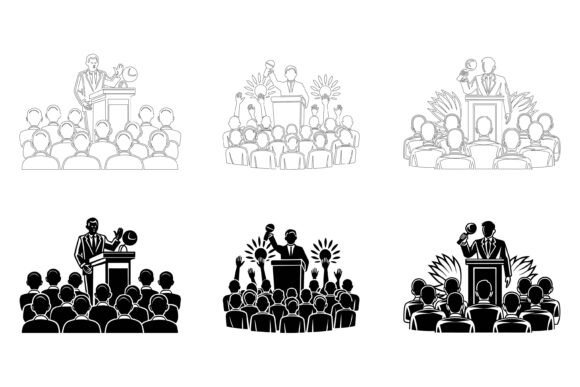
Man and speech illustrations typically depict male figures in various poses combined with speech bubbles, dialogue indicators, or communication-related visual cues. These assets serve a clear purpose: they humanize information. A well-placed figure pointing toward text, speaking into a microphone, or gesturing beside a call-to-action button creates an immediate focal point that viewers process faster than words alone.
These illustrations fit naturally into presentations, user interface designs, explainer content, training materials, and marketing graphics. When you need to illustrate a customer testimonial, a support interaction, or a public speaking concept, a man and speech graphic communicates the scenario before the viewer reads a single line of copy. The versatility comes from the fact that human figures resonate across industries. An educator can use them in course slides, a marketer can place them in email headers, and a product designer can integrate them into onboarding screens.
Where Man and Speech Assets Fit in Your Broader Process
Most creative workflows move through phases of research, concept development, asset gathering, production, and refinement. The asset gathering phase often consumes more time than anticipated. You search through libraries, test different styles, and adjust compositions to match your project's visual language. A purpose-built AI EPS illustration collection reduces this friction because everything arrives in a consistent style, organized in layers and ready to recolor. Instead of patching together mismatched elements from different sources, you work within a unified set where man figures and speech graphics already complement each other.
During the concept phase, these illustrations help you communicate ideas to clients or stakeholders before investing in custom artwork. You can place a man figure beside placeholder text, swap in a speech bubble, and present a rough comp that clearly conveys intent. This speeds up approval cycles and reduces the back-and-forth that often delays projects. Once approved, the same assets can be refined for final output without rebuilding from scratch.
Practical Ways to Use Man and Speech Illustrations in Daily Work
Consider how often your work requires showing communication, instruction, or human interaction. A man figure paired with a speech element works in landing pages, social media posts, video thumbnails, infographics, and printed flyers. The format adapts because the source file is vector-based. You can scale a graphic to billboard dimensions or compress it for a mobile app icon without losing quality. This flexibility means one well-chosen illustration set supports projects you are working on today and ones you have not yet planned.
- Presentation decks: Use man illustrations to personify customer personas, team members, or hypothetical users. Add speech bubbles to highlight quotes or key statistics.
- Website design: Place figures near hero text, testimonial sections, or contact forms to create visual flow and guide the user's eye toward action points.
- Infographics: Combine man graphics with speech elements to illustrate survey results, interview excerpts, or step-by-step communication flows.
- Print materials: Brochures, posters, and event signage benefit from human figures that make technical or abstract content feel approachable.
- App interfaces: Onboarding screens and tutorial overlays use speech-related graphics to simulate guidance or support interactions.
Before, During, and After a Project: When to Reach for These Assets
Before a project begins: When you are pitching an idea or creating a mood board, man and speech illustrations serve as visual shorthand. You can pull in a figure that matches the tone you are aiming for and arrange a rough layout that communicates your direction. This helps align expectations with collaborators before you commit to detailed design work.
During active production: This is where the editable nature of AI EPS files becomes most valuable. You can change colors to match brand guidelines, adjust the position of arms or speech elements, and modify the composition without degrading image quality. The layer structure lets you isolate and tweak individual components. If a man figure's gesture does not quite fit, you can rotate or reposition the arm. If the speech bubble shape feels wrong, you can replace it while keeping the figure intact.
After launch or delivery: Projects rarely end at publication. You may need to create variations for different channels, update content seasonally, or repurpose graphics for new campaigns. Having the source files organized and ready means you can return weeks or months later and make adjustments quickly. This long-term reuse multiplies the value of the initial asset selection.
How These Illustrations Interact with Other Tools and Platforms
Man and speech illustrations do not exist in isolation. They interact with your broader toolkit including Adobe Illustrator, Photoshop, InDesign, Figma, PowerPoint, and various content management systems. Because the files are provided in AI EPS format, compatibility spans both Mac and Windows environments. You can open them in Affinity Designer, CorelDRAW, or free vector editing tools without conversion headaches.
When you bring these assets into a layout program like InDesign for a printed report, the vectors maintain crisp edges at any scale. When you export for web use, you can generate PNG or SVG versions optimized for fast loading. When you work in Figma or Sketch for interface design, importing EPS elements gives you access to scalable objects that integrate into your component library. The cross-platform nature of these illustrations means you are not locked into a single software ecosystem.
Combining Man and Speech Graphics with Photographs, Icons, and Typography
Vector illustrations pair well with other visual elements, but the pairing requires thoughtful composition. A flat-style man figure looks natural next to a clean sans-serif typeface and simple iconography. If your project includes photographs, consider using the illustration as a framing device or an accent rather than trying to blend photorealistic and stylized approaches. Speech bubbles can contain actual text or remain empty as design elements, depending on your layout needs. When you mix these assets with charts or data visualizations, the human figure adds warmth and context that raw data lacks.
Consistency across a project matters more than the individual quality of any single asset. By pulling man figures, speech graphics, and supporting icons from the same collection, you maintain a uniform line weight, color palette, and level of detail. This cohesion signals professionalism and attention to craft, qualities that audiences notice even if they cannot articulate why a design feels polished.
Preparation and File Organization
Before you start dropping illustrations into a design, take time to explore the file structure. A well-organized AI EPS collection groups related figures, speech elements, and supporting graphics into clearly labeled layers. This organization might separate full-body man poses from head-and-shoulder variations, or group speech bubbles by shape and orientation. Familiarizing yourself with the structure prevents wasted time searching for assets mid-project. Rename layers to match your project's naming conventions if needed, and save a copy of the original file before making extensive modifications.
Color Customization and Brand Alignment
One of the most practical features of editable vector illustrations is the ability to recolor elements instantly. Man figures can adopt your brand's primary color for clothing, while speech bubbles can use accent colors from your palette. Because the layers are separated, you might apply a global color change to all skin tones, swap a background shape's hue, or adjust the stroke weight on speech elements. This customization ensures the illustrations feel native to your project rather than looking like off-the-shelf clip art.
When recoloring, pay attention to contrast and accessibility. A man figure that looks distinct on a white background might blend into a darker layout if you do not adjust tones accordingly. Test your modified illustrations against real backgrounds you plan to use, and verify that speech bubble text remains readable at intended sizes.
Usability Across Output Formats
The same illustration set should work for a printed brochure, a website hero image, and a social media graphic. Vector format guarantees resolution independence, but you still need to consider how details translate at different sizes. A man figure with intricate facial features might look great on a poster but lose clarity as a thumbnail. Speech bubbles with thin strokes might become indistinct on mobile screens. Test your compositions at actual output dimensions before finalizing, and simplify overly detailed elements when scaling down for small formats.
Efficiency Through Asset Reuse
Once you have customized man and speech illustrations for one project, those modified versions become templates for future work. Save a branded version of frequently used figures so you can drop them into new layouts without repeating setup steps. Over time, you build a library of adapted assets that reflects your typical use cases. A freelancer might keep variations suited for different client industries. A marketing team might maintain versions for each product line. This practice compounds the initial time investment and makes the asset set more valuable with each use.
Quality Control and Consistency Over Time
Projects that span multiple deliverables benefit from rigorous consistency. When you use man and speech illustrations across a report, a landing page, and a presentation for the same campaign, viewers should perceive a unified visual language. This means using the same figure style, comparable compositions, and a consistent approach to how speech elements are deployed. Inconsistencies like mixing illustration styles from different collections or varying the treatment of speech bubbles undermine the cohesive impression you want to create.
During quality control reviews, check that all man figures are proportionally consistent, that speech elements follow a predictable placement logic, and that color modifications match across files. If multiple team members are working with the asset set, establish brief guidelines on how to use and adapt the illustrations. This prevents a situation where one designer stretches a figure disproportionately or applies effects that conflict with the intended aesthetic.
Long-Term Maintenance and Updates
Design assets age. A style that looked current three years ago might feel dated today. When you invest in an AI EPS illustration collection, you gain source files that can be refreshed rather than replaced. You might update the color palette, adjust line weights, or swap outdated devices or props for contemporary alternatives. Because the files are editable and well-organized, these updates take far less time than sourcing entirely new assets. The speech elements in particular remain timeless since the concept of dialogue and communication does not change much, but the man figures might need subtle updates to hairstyles, clothing, or posture to stay relevant.
Keep backup copies of original files and versioned copies of your customized variants. Document any specific modifications you apply repeatedly so you can replicate them on new figures added to the collection over time. This practice supports long-term efficiency and protects your investment in the asset set.
Integrating Man and Speech Illustrations into Your Routine
Adopting a new set of design assets into your daily workflow requires intention. Start by reviewing your upcoming projects and identifying where human elements could improve comprehension or visual appeal. Map those needs to specific man poses and speech graphics in your collection. As you work, note which assets you reach for most often and organize them in a frequently used folder or library for quick access. The goal is to make these illustrations a natural extension of your design toolkit rather than an occasional supplement.
When you collaborate with others, share the customized asset versions so everyone works from the same foundation. If you create a particularly effective composition like a man figure beside a formatted testimonial speech bubble save it as a reusable template for your team. These small habits compound, turning a one-time asset purchase into a productivity multiplier that supports countless projects across months and years.
What you gain from a well-structured man and speech illustration set is not just a folder of graphics. You gain the ability to add human presence to your work quickly, maintain visual consistency across diverse outputs, and adapt compositions to fit specific needs without compromising quality. The editable AI EPS format gives you control over every element, while the organization keeps that control accessible rather than overwhelming. Whether you are building a presentation, designing an app interface, or preparing print materials, these assets fit into your process and make the final result look intentional and polished.