Mexican Chilaca: The Versatile Chili Pepper
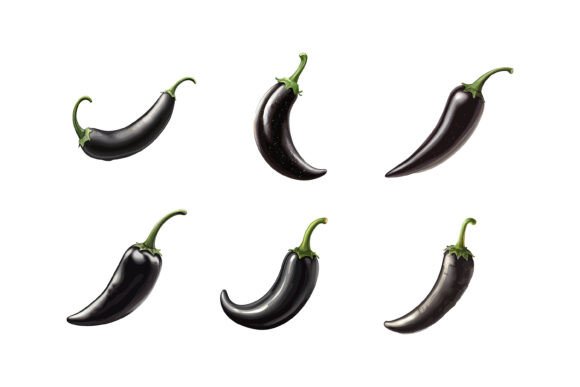
The Mexican Chilaca is a long, dark, mildly spicy chili pepper that holds a cherished place in traditional Mexican cooking. When fresh, it curls distinctively and boasts a deep green to almost black hue. Once dried, it transforms into what most people know as the pasilla chile, a staple in mole sauces and rich stews. Understanding this pepper means appreciating both its fresh and dried identities, each bringing something different to the table.
What Exactly Is the Mexican Chilaca
The Chilaca pepper belongs to the Capsicum annuum species and grows primarily in central and northern Mexico. Unlike bell peppers or jalapeños, the Chilaca has a wrinkled, elongated shape that often twists as it matures. Its heat level lands somewhere between 1,000 and 2,500 Scoville heat units, placing it in the mild-to-medium range. That gentle warmth makes it approachable for people who want flavor without overwhelming fire.
The name "Chilaca" comes from the Nahuatl word chilacatl, reflecting its deep indigenous roots. Fresh Chilacas have a slightly earthy, smoky undertone even before any roasting or drying. When allowed to ripen fully and then dried, they become pasilla chiles, which are darker, richer, and more complex. This dual nature means cooks can work with the same pepper in completely different ways depending on whether they need brightness or depth.
Why Different People Care About the Chilaca
The Mexican Chilaca matters to a surprisingly wide range of people, and their reasons vary as much as their kitchens. A home cook exploring Mexican cuisine might care about authenticity and approachable flavor. A professional chef may value the pepper's versatility across multiple dishes and its visual appeal on a plate. A gardener might be drawn to growing a pepper that performs well in warm climates and offers both fresh and drying possibilities.
For the health-conscious eater, Chilacas bring vitamins A and C, capsaicin for metabolism support, and that deep satisfaction that comes from cooking with whole, unprocessed ingredients. A food blogger or content creator might appreciate how striking the pepper looks in photographs and how its story connects to Mexican culinary heritage. Small restaurant owners often value ingredients that let them differentiate their menu while keeping food costs manageable.
Beginners and Home Cooking Enthusiasts
If you are just starting to experiment with Mexican peppers, the Chilaca offers a gentle entry point. Its heat does not overwhelm, and its flavor cooperates well with familiar ingredients like onions, garlic, and tomatoes. Roasting a fresh Chilaca under a broiler until the skin blisters, then peeling and chopping it into scrambled eggs or a simple salsa, teaches you how heat transforms pepper chemistry without scaring you off.
Beginners often prioritize ease of use and reliable results. A Chilaca delivers on both. You do not need specialized equipment or advanced technique to get something delicious. Even folding chopped roasted Chilaca into store-bought refried beans elevates the dish noticeably. The learning curve stays gentle, and successes build confidence for trying more challenging peppers later.
Experienced Cooks and Professional Chefs
Seasoned cooks approach the Chilaca with different intentions. They might source fresh Chilacas specifically to roast, peel, and stuff for chiles rellenos, a dish where the pepper's thin skin and pliable flesh shine. Or they may intentionally dry their own Chilacas to control the pasilla quality, something that matters when building a mole from scratch. The dried pasilla's raisin-like, smoky depth anchors sauces that develop over hours.
Professionals often weigh consistency and flexibility heavily. A chef designing a seasonal menu might feature fresh Chilacas in a summer vegetable medley, then transition to dried pasillas for winter braises. The same pepper supports two seasons, two techniques, and two distinct flavor profiles. That kind of ingredient economy matters in professional kitchens where pantry space and vendor relationships need strategic thought.
Fresh Chilaca Versus Dried Pasilla
Understanding the distinction between fresh Chilaca and dried pasilla opens up smarter shopping and cooking decisions. Fresh Chilacas taste brighter, with a vegetal note that pairs beautifully with fresh cheeses, citrus, and herbs. They soften quickly when roasted and take well to stuffing. Dried pasillas, by contrast, need rehydration and bring concentrated fruitiness and smoke that work best in slow-cooked dishes.
For someone evaluating cost and shelf life, dried pasillas offer clear advantages. They store for months in a cool pantry and need no refrigeration. Fresh Chilacas, like most fresh peppers, last about a week in the refrigerator. A budget-conscious cook might buy fresh Chilacas in season when prices dip, roast and freeze them in batches, and keep dried pasillas on hand year-round.
Gardeners and Hobbyist Growers
Growing Chilaca peppers appeals to gardeners who enjoy cultivating something beyond standard bell peppers or jalapeños. The plants thrive in warm, sunny conditions typical of USDA zones 9 through 11 but can succeed in containers brought indoors when temperatures drop. The peppers themselves grow long and visually interesting, sometimes reaching eight inches, and their color shift from deep green to dark brown signals harvest readiness.
A hobbyist grower might care about plant productivity and seed saving potential. Chilaca plants tend to produce generously, giving a home gardener enough yield for fresh eating and drying experiments. Saving seeds from a successful plant means next year's crop costs nothing, and over seasons, you can select for traits you prefer, like larger peppers or earlier ripening.
Practical Uses Across Different Projects
The Chilaca adapts to a variety of cooking projects. Someone preparing a casual family dinner might slice fresh roasted Chilaca into tacos or quesadillas. An educator teaching a workshop on traditional Mexican ingredients could use the Chilaca-to-pasilla transformation as a hands-on lesson in food preservation and flavor development. A food entrepreneur developing a small-batch hot sauce might blend fresh Chilacas with tomatillos for a verde-style sauce with gentle warmth.
For those focused on presentation and visual appeal, the Chilaca's dark, wrinkled skin creates contrast on a plate. A few strips of roasted Chilaca across white crema or pale queso fresco catch the eye in ways a green bell pepper cannot. Food photographers and bloggers can use that visual drama to make dishes stand out in saturated social media feeds.
Health-Focused and Dietary Considerations
People prioritizing health often look for ingredients that deliver nutritional value without sacrificing taste. Chilacas provide vitamin C, which supports immune function, and vitamin A for eye health. Capsaicin, the compound responsible for the pepper's mild heat, has been studied for its potential anti-inflammatory and metabolism-supporting properties. The pepper itself contains fiber and antioxidants.
Because Chilacas are whole, plant-based foods, they fit easily into vegetarian, vegan, gluten-free, and low-carb eating patterns. They add complexity to dishes that might otherwise rely on salt, fat, or sugar for flavor. A nutrition-conscious meal prepper might roast a batch of Chilacas on Sunday to fold into grain bowls, egg dishes, and soups throughout the week.
Shopping for and Storing Mexican Chilacas
Finding fresh Chilacas outside of Mexico or the southwestern United States can take some searching. Latin grocery stores, farmers' markets in areas with Mexican communities, and specialty produce suppliers are the best bets. Look for peppers that feel firm and heavy for their size, with glossy skin free of soft spots or shriveling. The darker the green, approaching nearly black, the more developed the flavor tends to be.
Dried pasillas appear more widely in supermarkets with well-stocked international aisles or online spice retailers. Quality dried pasillas should still feel pliable, not brittle, and carry a faint fruity aroma. Both forms reward careful selection, but the dried version forgives imperfect timing much more readily.
Making the Chilaca Work for Your Goals
Whether the Mexican Chilaca fits your needs depends on what you value most in an ingredient. If authenticity and tradition drive your choices, working with a pepper so deeply woven into Mexican food culture brings meaning that generic substitutions cannot match. If practicality and convenience rank higher, the pasilla form gives you that heritage flavor with a shelf-stable format and wide availability.
For creatives and content producers, the pepper's rich backstory and visual character offer storytelling material. For busy parents and home cooks, its gentle heat and forgiving nature mean fewer dinner disasters. The ingredient meets people where they are, whether that is a first attempt at Mexican cooking or a fiftieth iteration of a signature mole.
Connecting Through a Shared Ingredient
There is something quietly powerful about preparing an ingredient that has been cultivated and cooked for centuries. The Mexican Chilaca links a suburban kitchen in Ohio to a market stall in Oaxaca. It reminds us that food carries history, geography, and human ingenuity. Learning to roast one properly, or waiting patiently for pods to ripen in a backyard garden, builds a small but real connection to that broader story.
For educators, that narrative becomes curriculum. For parents, it becomes a way to teach children about food origins and cultural respect. For anyone tired of commoditized, flavorless produce, it becomes a reminder that ingredients with personality still exist and remain accessible with a little effort.
The Mexican Chilaca does not demand expertise or special tools. It asks only for curiosity and a willingness to try something rooted in soil and tradition. From a first simple salsa to a complex dried chile paste, it rewards attention without punishing mistakes. That balance makes it worth seeking out, no matter who you are or what you hope to cook next.